Zero-Waste Travel Packing Checklist for Greener Trips
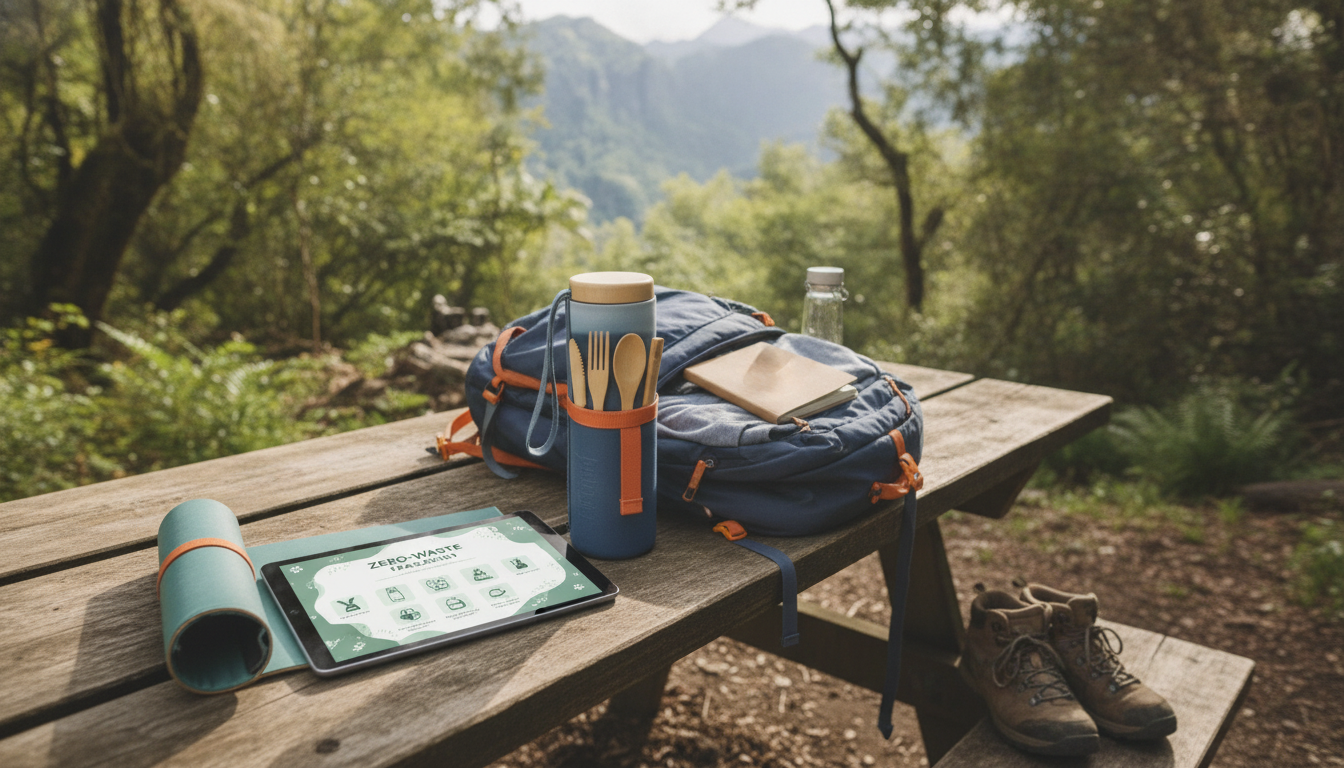
Eco-Friendly Traveler Checklist: A Zero-Waste Packing Plan for Smoother, Greener Trips
Packing lightly and responsibly can cut waste, simplify airport days, and make it easier to stick with sustainable habits on the road. This guide organizes an eco-friendly travel checklist by trip phase—before departure, in-transit, and at your destination—so essentials don’t get missed and common single-use items stay out of the bag.
Start with the trip basics (so nothing gets re-bought last minute)
The most “wasteful” travel purchases often happen in a rush: overpriced chargers, plastic-wrapped toiletries, and impulse outfits. A quick fundamentals check prevents that scramble.
- Confirm destination requirements: entry rules, local regulations for medications, and any protected-area guidelines.
- Choose lodging with practical sustainability features: refillable toiletries, recycling/compost access, and energy-saving policies.
- Plan laundry and rewear days: fewer outfits means less baggage weight and fewer “just in case” buys.
- Set a packing boundary: one carry-on + one personal item (when possible) helps curb overpacking and fuel use.
- Create a short day-of “must-pack” list: ID, tickets, payment, phone, and any medical needs.
Zero-waste packing core: reusables that replace common disposables
Start with a small set of reusables that cover the most frequent single-use items encountered during travel days.
- Reusable water bottle (ideally insulated) plus a backup purification option for areas with limited safe refills.
- Reusable cutlery set and a compact container for snacks to reduce takeaway waste.
- Reusable tote or foldable day bag for groceries, markets, and unexpected purchases.
- Reusable coffee cup (or collapsible cup) for cafés and transit stations.
- Reusable straw only if needed for accessibility or specific uses; otherwise skip to pack lighter.
- Reusable napkin or small cloth for meals and spills.
- Refillable toiletry bottles and a small bar bag for solid shampoo/soap (where suitable).
- Travel laundry kit: concentrated soap sheets or a small detergent vial for sink-washing essentials.
Reusable swaps that save space and waste
| Disposable Habit | Reusable Alternative | Packing Tip |
|---|---|---|
| Bottled water | Refillable bottle | Choose a leakproof cap; clip to bag to free space |
| Plastic cutlery | Reusable utensil set | Keep in an outer pocket for quick access |
| Paper towels/napkins | Small cloth or bandana | Doubles as sweat towel or scarf |
| Single-use snack bags | Small container or silicone pouch | Pre-pack snacks for transit delays |
| Mini toiletries | Refillable bottles or solid bars | Label bottles; keep liquids in one clear pouch |
Toiletries and personal care with less plastic and fewer leaks
Toiletries are where waste (and messy spills) tend to multiply. A simple system keeps everything compact, compliant, and easy to replenish at home.
- Prioritize multipurpose products: a gentle cleanser that works for face and body, or a solid bar that covers multiple needs.
- Pack a tiny “oops kit” for leaks: spare zip bag, a few cotton swabs, and a small cloth to wipe drips.
- Choose reef-safer sunscreen when swimming in sensitive waters; follow local guidelines for marine protection.
- Bring refillable sanitizer and a small soap-sheet pack for restrooms without soap.
- For menstruation: consider a cup, reusable pads, or period underwear, plus a small wet bag between washes.
- For shaving: a safety razor or refillable system (check carry-on rules for blades).
For a broader mindset on waste reduction that applies to travel and home routines, the EPA’s guidance on Reduce, Reuse, Recycle is a useful reference point for prioritizing reusables over disposables.
Clothing strategy: fewer items, more outfits, easier washing
Low-waste packing isn’t about “roughing it”—it’s about planning outfits that work hard, wash easily, and rewear well.
- Build around a tight color palette: fewer mismatches means fewer items needed.
- Favor quick-dry, durable fabrics: faster sink-wash cycles reduce time and energy.
- Use the two-shoe rule when possible: one walking shoe + one packable option.
- Pack a layering system: base layer, mid layer, shell—more flexible than multiple bulky pieces.
- Include a mini repair option: small sewing kit or iron-on patch to extend garment life.
- Bring a compact laundry line or clips: easy drying in bathrooms or balconies.
Transit and day-trip kit: low-waste, low-stress essentials
Transit is where convenience products show up: plastic-wrapped snacks, disposable utensils, and last-minute purchases. A dedicated mini-kit prevents that drift.
At the destination: simple habits that reduce footprint daily
When you’re outdoors, align day trips with the Leave No Trace Seven Principles to help protect the places you’re visiting. For a wider perspective on the role tourism plays in communities and ecosystems, UN Environment Programme information on Sustainable Tourism offers helpful context.
Printable and digital organization: keep the checklist where it’s needed
Helpful travel downloads for greener planning
- Eco-Friendly Traveler Checklist (digital download) — a ready-to-use list you can copy for each trip and keep on your phone.
- Top 10 Must-See U.S. National Parks + Fast Facts (digital travel guide) — a planning companion for lower-impact park trips and smarter day-pack prep.
FAQ
What are the highest-impact eco-friendly items to pack first?
Start with a refillable water bottle, reusable tote, compact food container, reusable utensils, refillable toiletries (or solid bars), a small cloth/napkin, and a tiny laundry kit. These replace the most common disposables—bottles, bags, cutlery, paper goods, and travel minis—across airports, cafés, and hotels.
How can toiletries be packed with fewer leaks and less plastic?
Use solids where practical, and rely on refillable bottles with tight caps for liquids. Label containers, keep all liquids in one clear pouch, and pack a spare zip bag for any surprise drips while staying within carry-on liquid limits.
How can overpacking be avoided while still being prepared?
Stick to a simple color palette, pack a layering system instead of bulky duplicates, and plan one laundry/re-wear day. Limit shoes to two pairs and bring a small repair kit so a minor tear or loose button doesn’t turn into a replacement purchase.









Leave a comment