Work-From-Home Routine: Anchors, Blocks, and Shutdown
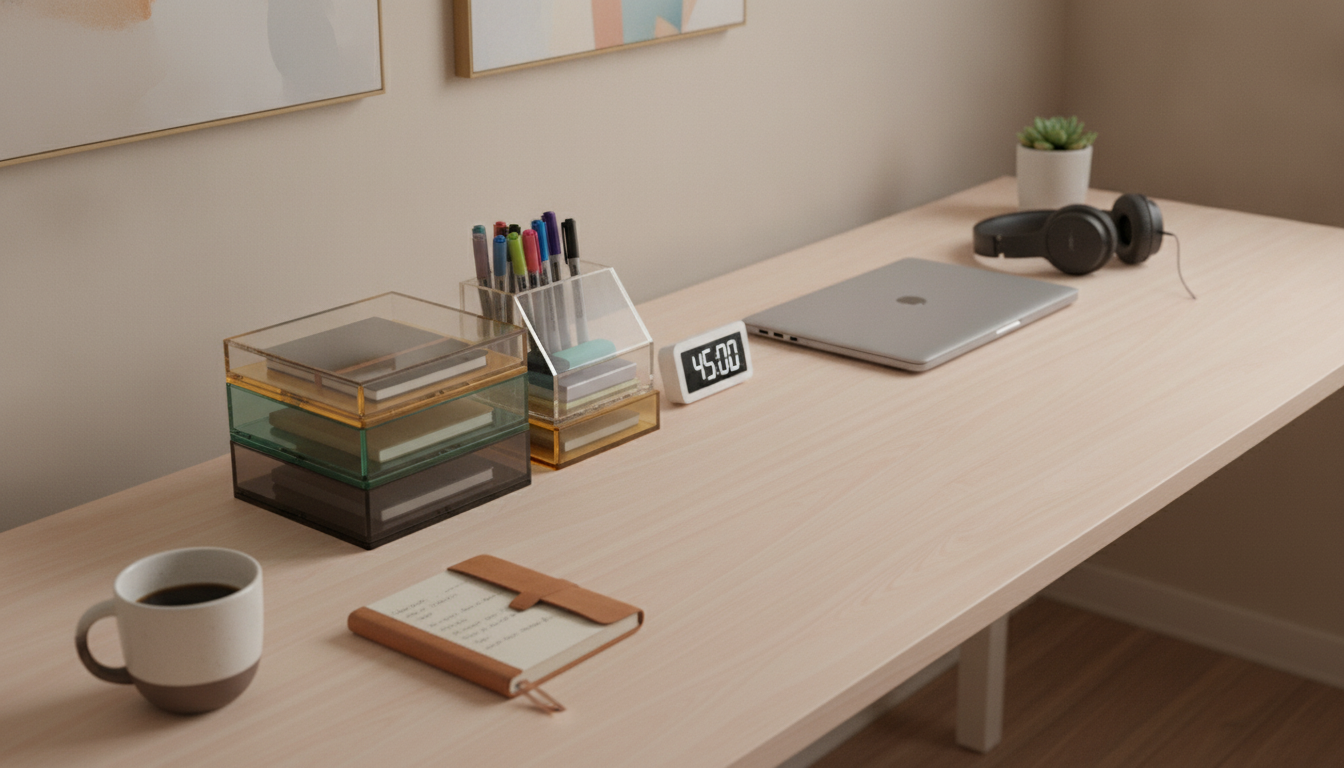
How do you build a consistent daily routine when you work from home?
A consistent work-from-home routine comes from designing your day around a few fixed “anchors” (start time, first task, breaks, and shutdown), then protecting those blocks like meetings. The goal isn’t a perfect schedule—it’s a repeatable rhythm that makes it easier to start, focus, and stop.
Answer
1) Set two non-negotiable anchors
Pick a consistent start anchor (example: “open laptop at 9:00, review today’s top 3 for 10 minutes”) and a consistent end anchor (example: “shutdown checklist at 5:30”). When these bookends stay stable, the middle of the day can flex without the whole routine falling apart.
2) Time-block your priorities before the day gets noisy
Block 1–2 focus sessions for the work that actually moves goals forward, then place meetings and admin work around them. A simple pattern is: deep work first, collaboration mid-day, lighter tasks late afternoon. For a step-by-step approach to time blocking and routines during hectic weeks, see this productivity system guide.
3) Create boundaries that feel “real” at home
Use environment cues to separate work and life: a dedicated workspace, a specific playlist, or a “work-only” browser profile. Start with a brief setup ritual (water, notes, tabs) and end with a shutdown ritual (capture loose tasks, pick tomorrow’s first step, close apps). These cues reduce decision fatigue and help your brain switch modes.
4) Build in breaks and transitions on purpose
Schedule lunch and two short breaks so they don’t get skipped. Add 5–10 minutes between blocks for quick resets—standing up, a short walk, or clearing your desk—so tasks don’t bleed into each other.
5) Keep it sustainable with a weekly reset
Once a week, review what worked, adjust your blocks, and pre-plan the next week’s “must-win” sessions. Consistency improves when the plan gets refreshed before it breaks.
FAQ
How can I stop working too late when I work from home?
Set a firm shutdown time and a short end-of-day checklist, then decide the first task for tomorrow so you can close the loop. If work runs long, move the unfinished item into a scheduled block instead of “just finishing it.”












Leave a comment