Kitten Feeding Guide: Best Food, Schedule & Portions
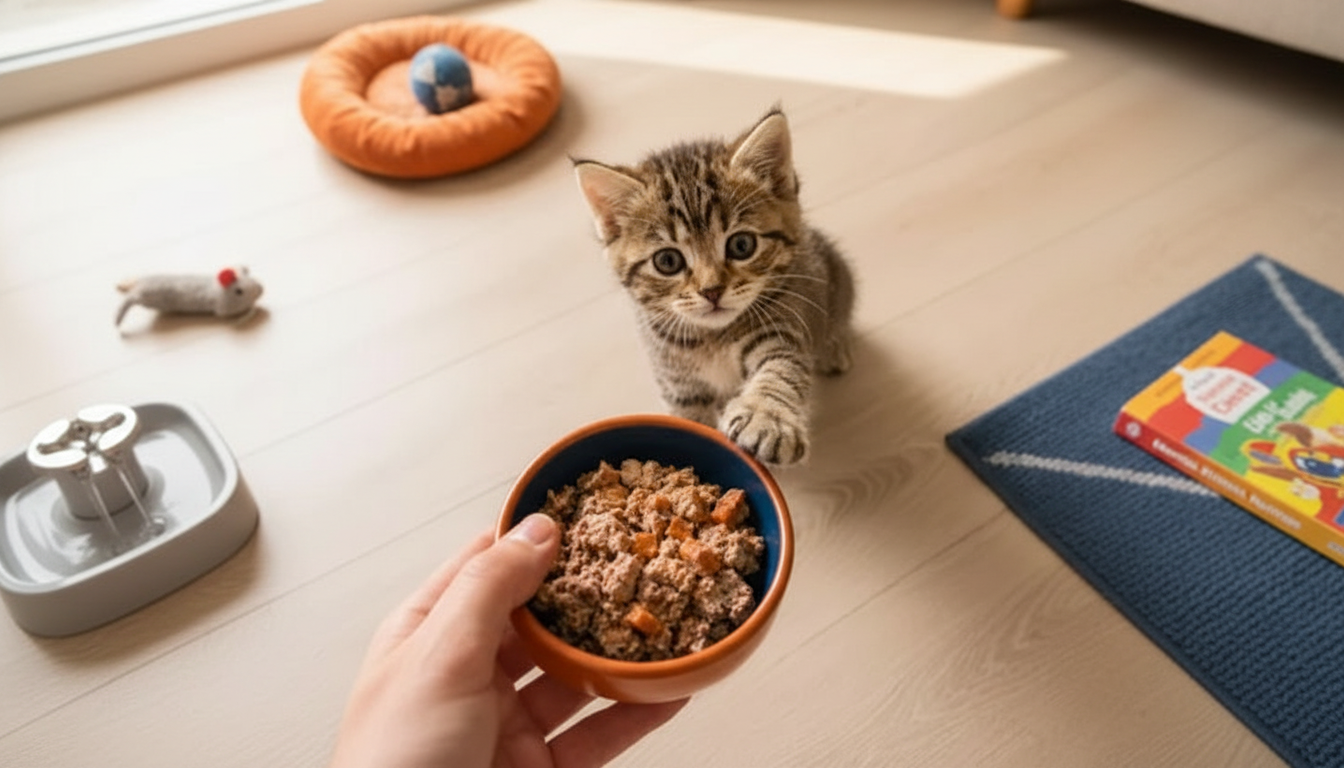
Feeding Your New Kitten Right: A Practical Guide to Healthy Growth and Happier Mealtimes
New kittens grow fast, and the right food choices in the first months can shape energy, digestion, and long-term health. Use this guide to pick an appropriate starter diet, set a simple feeding routine, avoid common mistakes, and know when it’s time to adjust portions or change foods.
What a growing kitten needs from food
Kittens aren’t just “small cats”—their bodies are building bone, muscle, and brain tissue every day. That’s why kitten nutrition needs to be more concentrated and more precise than an adult maintenance diet.
- High energy density: kittens need more calories per pound than adult cats to support rapid growth and play.
- Complete and balanced for growth: look for foods labeled for “growth” or “all life stages,” not adult-only formulas. (AAFCO labeling is a helpful starting point for understanding “complete and balanced” claims: https://www.aafco.org/consumers/.)
- Animal-based protein and fat: supports muscle development, brain growth, and healthy skin/coat.
- Key nutrients to look for: taurine (heart/vision), DHA (brain/eyes), calcium/phosphorus balance (bones/teeth), vitamin A, and B vitamins.
- Fresh water always: keep water available at all times; wet food can also increase hydration.
If you’d like a deeper walkthrough for selecting starter foods and building a routine, see Feeding Your New Kitten Right | Essential Kitten Nutrition eBook.
What food to start a new kitten on
The first week in a new home is a big adjustment. When possible, keep the diet steady so you can tell the difference between “new-home nerves” and true food intolerance.
- Start with what they’re already eating: use the food currently fed by the breeder or rescue for several days to reduce digestive upset, then transition gradually if you want to change brands or formats.
- Kitten wet food: often easier to eat, more aromatic (encouraging appetite), and helpful for hydration—especially for young or picky kittens.
- Kitten dry food: convenient and can support a grazing routine; confirm the kibble is small enough for tiny mouths.
- Mixed feeding (wet + dry): can balance hydration and convenience; the key is keeping total daily calories appropriate.
- Avoid cow’s milk and most dairy: many cats are lactose intolerant and may develop diarrhea.
For additional nutrition guidance from veterinary professionals, the WSAVA Global Nutrition Guidelines offer practical tools and questions to ask when evaluating pet food: https://wsava.org/global-guidelines/global-nutrition-guidelines/.
Feeding schedule by age: simple routine that works
A predictable routine supports digestion and helps your kitten feel secure. Use a feeding guide on the package as a starting point, then adjust to maintain a lean, growing body condition (ribs felt with light pressure and a visible waist).
- 8–12 weeks: offer 4 small meals per day if possible. Appetite may fluctuate with new-home stress, so keep mealtimes calm and consistent.
- 3–6 months: 3 meals per day typically fits growth needs and real-world schedules.
- 6–12 months: 2 meals per day works for many kittens; adjust based on body condition and veterinary guidance.
- If free-feeding dry food: measure the day’s amount in the morning to prevent accidental overfeeding.
Starter feeding plan (adjust to your kitten’s size, appetite, and veterinary advice)
| Kitten age | Meals per day | Suggested approach | Notes |
|---|---|---|---|
| 8–12 weeks | 4 | Primarily kitten wet food; optional small portion of kitten dry | Warm slightly to enhance aroma; keep bowls shallow and easy to access |
| 3–6 months | 3 | Mix wet + measured dry; keep protein-focused | Growth spurts are common—monitor stool and body condition weekly |
| 6–12 months | 2 | Transition toward adolescent routine; maintain kitten formula until 12 months (typical) | Discuss earlier/later changes for large breeds or special health needs |
How to switch foods without stomach upset
Digestive systems often dislike sudden change. A slow transition protects appetite and keeps stools more consistent.
Portion control, treats, and common feeding mistakes
When to talk to a veterinarian about diet
For broader pet nutrition basics and safe feeding guidance, AVMA resources are a reliable starting point: https://www.avma.org/resources/pet-owners/petcare/nutrition.
A step-by-step mealtime setup for calmer, cleaner eating
- Create a quiet feeding spot away from litter boxes and loud appliances.
- Use shallow dishes to reduce whisker stress, and wash bowls regularly to prevent food aversion.
- Offer food at consistent times; for meal-fed routines, pick up leftovers after 20–30 minutes.
- Weigh weekly (a kitchen scale works) to confirm steady growth and catch issues early.
- Lower household stressors during meals; if loud cleaning sounds make your kitten bolt or hide, Helping Pets Handle Vacuum Stress offers practical ways to make noisy routines less disruptive.
For a more detailed, printable roadmap on choosing starter foods, setting portions, and building habits, use Feeding Your New Kitten Right | Essential Kitten Nutrition eBook.
FAQ
Should a new kitten eat wet food, dry food, or both?
Any of the three can work as long as it’s kitten-formulated and complete-and-balanced for growth. Wet food can support hydration and tends to be more enticing, while dry food is convenient; many households use a measured mix and adjust based on appetite and stool quality.
How much should a kitten eat per day?
Start with the package feeding guide based on your kitten’s current weight and age, then adjust to keep a lean body condition and steady growth. Younger kittens do best with multiple small meals, and measuring portions helps prevent accidental overfeeding.
How do you switch a kitten to a new food safely?
Transition gradually over 7–10 days by increasing the new food a little at a time (75/25, 50/50, then 25/75). Slow down if loose stools appear, and contact a veterinarian if there’s persistent vomiting/diarrhea, lethargy, or your kitten refuses food.











Leave a comment