Doable Healthy Meal Planning: 1-Week or 1-Month Guide
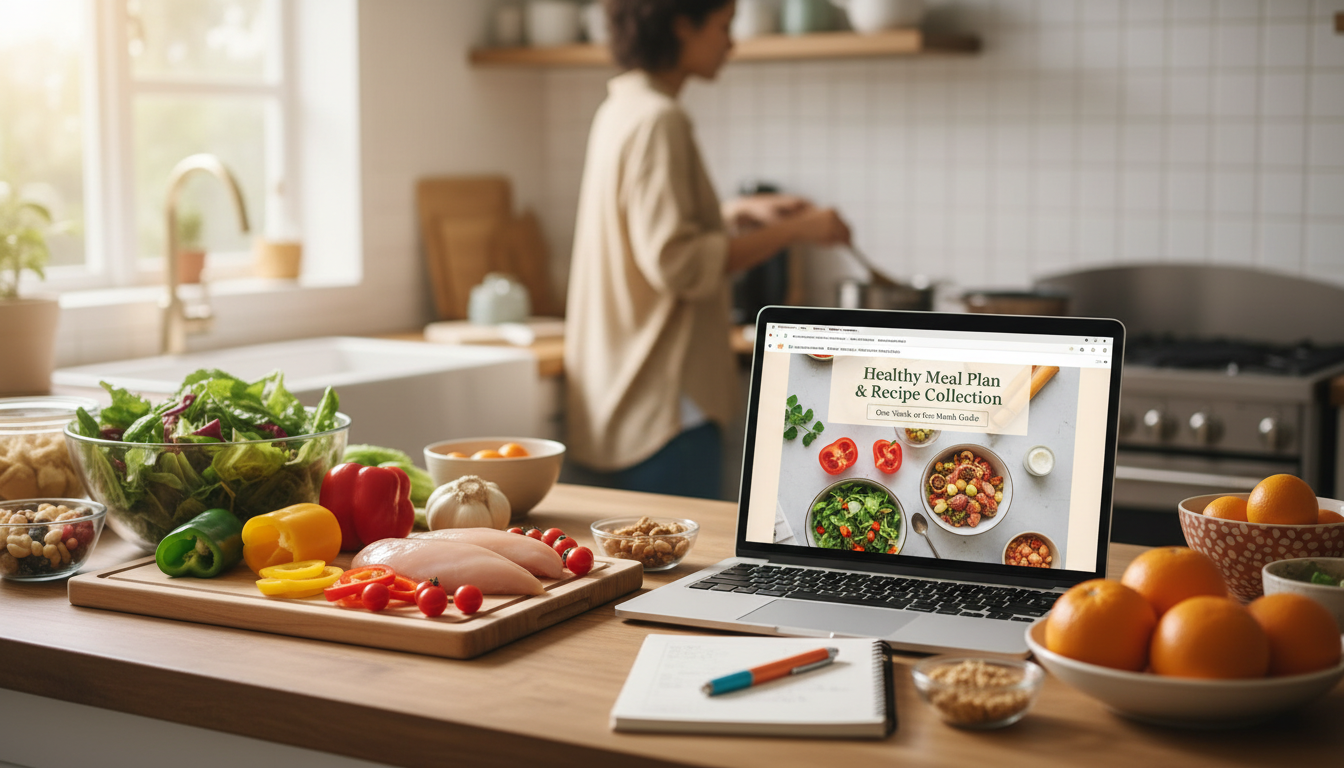
Healthy Meal Planning That Feels Doable (and Still Tastes Good)
A reliable meal plan cuts down decision fatigue, supports steadier energy, and makes balanced nutrition easier to maintain—without turning cooking into a second job. Whether you prefer a one-week reset or a one-month routine, the key is building repeatable structure, prepping a few flexible components, and leaving room for real life (busy nights, cravings, and schedule changes).
Below is a practical framework for balanced breakfasts, lunches, dinners, and snacks—plus a sample week you can repeat and rotate for a full month.
What “Balanced” Looks Like on a Practical Meal Plan
A balanced plan doesn’t require perfect macros or complicated recipes. It’s mostly about building meals that keep you full and fueled while making grocery shopping predictable.
- Use a simple plate formula: a protein source + high-fiber carbs + colorful produce + a healthy fat.
- Rotate variety across the week: mix proteins (beans, poultry, fish, tofu, eggs), grains (brown rice, oats, quinoa), and vegetables (leafy greens, cruciferous veggies, orange/red produce).
- Keep ultra-processed snacks and added sugars occasional: plan satisfying whole-food snacks so you’re not relying on whatever’s nearby.
- Create “anchors”: a consistent breakfast template, mix-and-match lunches, and repeatable dinners with planned leftovers.
- Plan hydration too: water, unsweetened tea/coffee, and water-rich foods like fruit, vegetables, and soups help support appetite cues and energy.
Helpful visual guides include USDA MyPlate and the Harvard Healthy Eating Plate for easy portion balancing.
Choosing One Week vs One Month Planning
Both approaches work—the best choice depends on how much structure you want and how often you like to shop.
Quick comparison: one-week vs one-month planning
| Feature | One-Week Plan | One-Month Plan |
|---|---|---|
| Best for | New routines, flexibility, fresh items | Consistency, budgeting, fewer decisions |
| Grocery style | Weekly list, smaller cart | Bulk staples + weekly produce top-up |
| Variety | High week-to-week flexibility | Planned rotation across weeks |
| Effort upfront | Lower | Higher (then easier to maintain) |
| Common pitfall | Re-planning every week | Overbuying perishables |
A hybrid approach often works best: set a one-month framework (repeatable breakfasts, rotating dinner themes), then plan week-by-week for produce and calendar changes. If time is tight, start with 7 days, repeat your favorite days, and swap one or two dinners weekly to keep it fresh.
A Simple Daily Structure: Breakfast, Lunch, Dinner, and Snacks
Consistency comes from predictable building blocks—not from eating the same meal every day.
- Breakfast: focus on protein + fiber (Greek yogurt with berries and nuts; veggie omelet with whole-grain toast; oats with chia and fruit).
- Lunch: keep it prep-friendly (grain bowls, hearty salads, wraps, or planned dinner leftovers).
- Dinner: use a repeatable format (protein + vegetable + starch) that takes 20–40 minutes.
- Snacks: plan 1–2 options that prevent energy crashes (fruit + nut butter, hummus + veggies, cottage cheese, roasted chickpeas).
- Include “treat slots” intentionally: a few times per week can help the plan feel sustainable rather than restrictive.
Meal Prep That Actually Saves Time (Without Eating the Same Thing Daily)
Meal prep works best when you prep components you can remix.
- Batch-cook building blocks: roast two sheet pans of vegetables, cook one grain, and prep one protein to mix into different meals.
- Plan two-for-one dinners: cook double portions 2–3 nights a week and convert leftovers into lunches (tacos into bowls, chicken into wraps, chili into stuffed potatoes).
- Prep smart snacks: wash fruit, cut veggies, portion nuts, and keep a ready-to-eat protein (eggs, yogurt, edamame).
- Use the freezer strategically: portion soups, chili, cooked grains, and marinated proteins to rescue busy nights.
- Time-block one prep window: 60–90 minutes weekly can reduce weeknight cooking to quick assembly.
If weight management is a goal, the CDC’s healthy eating resources offer practical guidance on sustainable patterns and portions.
Customizing for Calories, Macros, and Dietary Preferences
Smart Shopping: Staples That Support a Full Week of Meals
Using a Ready-Made Plan and Recipe Collection to Stay Consistent
A practical option is the Healthy Meal Plan & Recipe Collection eBook (one-week or one-month), designed around balanced breakfasts, lunches, dinners, and snacks with easy rotation.
For an even smoother routine, pairing meal planning with other time-saving digital tools can help protect your schedule on busy weeks—like the Homework Help Made Easy Toolkit for Parents (great for families building consistent evenings) or the Top 10 Must-See U.S. National Parks + Fast Facts guide for planning active weekend breaks that fit your lifestyle.
Sample One-Week Flow (Repeatable for a One-Month Rotation)
Example week at a glance
| Day | Breakfast | Lunch | Dinner | Snack |
|---|---|---|---|---|
| Mon | Protein + fruit | Grain bowl | Sheet-pan protein + veg | Yogurt or hummus |
| Tue | Oats + nuts | Leftovers | Stir-fry + rice | Fruit + nut butter |
| Wed | Eggs + toast | Hearty salad | Chili/soup batch | Cottage cheese or alt |
| Thu | Protein smoothie | Leftovers | Pasta + veggies + protein | Roasted chickpeas |
| Fri | Yogurt bowl | Wrap | Fish/tofu + potatoes + salad | Dark chocolate + fruit |
| Sat | Brunch-style eggs | Soup/salad | Grill/air-fry bowls | Trail mix portion |
| Sun | Overnight oats | Leftovers | Freezer meal or easy tacos | Veg + dip |
FAQ
Is a one-month meal plan too repetitive?
It doesn’t have to be. Keep the same prep structure, but rotate themes, swap proteins/vegetables/sauces, and change 2–3 dinners per cycle while repeating your favorite weeks.
How many snacks should be included in a balanced day?
For many people, 0–2 snacks works well depending on hunger, meal timing, and activity. Pair carbs with protein and/or fat (like fruit with nut butter) to stay satisfied longer, or skip snacks if larger meals feel better.
Can the recipes be adjusted for vegetarian or gluten-free needs?
Yes—most recipes adapt easily with smart swaps. Use beans, lentils, tofu, or tempeh in place of meat, and choose rice, quinoa, or gluten-free wraps/breads instead of wheat; check labels on sauces and packaged foods.











Leave a comment