Pet Temperament Guide: Decode Dog & Cat Behavior
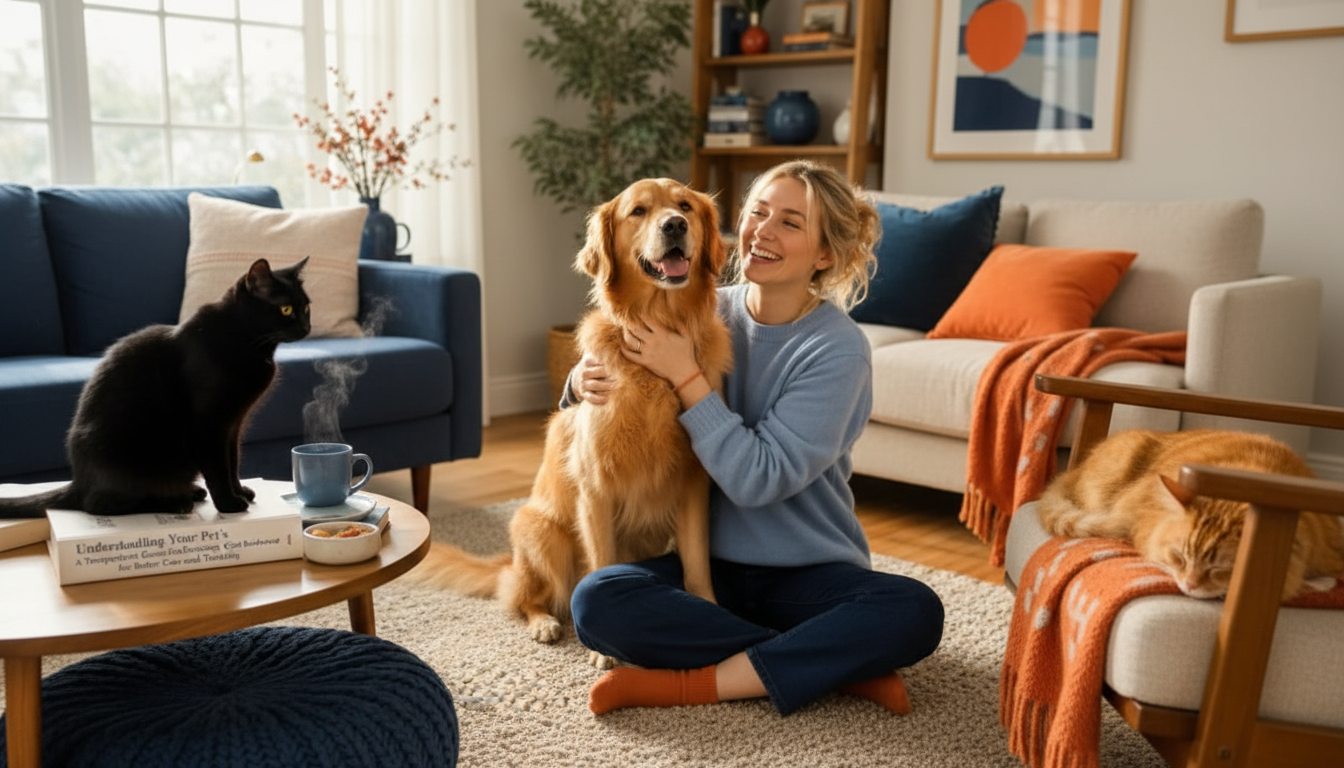
Understanding Your Pet’s Temperament: A Practical Guide to Dog and Cat Behavior for Better Care and Training
Temperament shapes how a dog or cat reacts to people, handling, noises, other animals, and change. Reading behavior accurately helps prevent stress, reduce unwanted habits, and build training plans that feel safe and rewarding. This guide breaks down core temperament traits, everyday signals, and simple routines that support calmer, more confident pets.
What Temperament Means (and What It Doesn’t)
Temperament is a pet’s more consistent set of tendencies—how they typically respond across situations—such as sociability, sensitivity, boldness, reactivity, and how quickly they recover after stress. It’s not a “fixed label” that explains everything, and it shouldn’t replace real-time observation.
Behavior is always temperament plus learning, health, environment, and past experiences. A confident dog can still bark at the window if the routine rewards it. A friendly cat can still swat if handling is rushed. Breed and genetics may influence general tendencies, but individual differences and early socialization often matter more day to day.
If behavior changes suddenly (new growling, hiding, litter box accidents, snapping during brushing), treat it as a health-check priority. Pain and illness commonly show up as irritability or avoidance before any obvious physical sign.
Core Traits to Notice in Dogs and Cats
Sociability
Some pets seek contact; others prefer distance. Sociability can vary by person and approach style—direct reaching, leaning over, or fast movements can make even social pets pull away.
Sensitivity
Sensitive pets startle easily, dislike certain handling, or react strongly to new objects and sounds. They often do best with predictable routines and lots of choice.
Boldness and curiosity
Bold pets investigate, recover quickly, and engage with enrichment. This can be a training advantage, but boldness without impulse control can look like “pushy” behavior.
Frustration tolerance
This shows up when waiting, sharing space, or coping with blocked access (a closed door, leash tension, another pet getting attention). Low frustration tolerance often fuels barking, nipping, or swatting.
Prey/play drive
Chasing, pouncing, and mouthing can be healthy play—or misdirected arousal if the pet can’t settle afterward. Matching play outlets to the individual helps prevent “zoomies into chaos.”
Recovery time
Recovery is how quickly the pet returns to baseline after a stressor. Faster recovery usually means more resilience; slow recovery suggests the environment may be too intense or unpredictable.
Body Language: Signals That Matter Most
Focus on clusters of signals rather than any single cue. Context changes meaning: a wagging tail can indicate friendly engagement or high arousal, and purring can be comfort or self-soothing in stress.
Distance-increasing signals (turning away, freezing, growling, hissing, air snapping) should be respected immediately. These are communication—not “stubbornness”—and pushing past them risks escalation.
Quick Guide to Common Signals in Dogs and Cats
| Signal | Often Seen In | What It Can Mean | Supportive Response |
|---|---|---|---|
| Loose body, soft eyes, relaxed tail | Dogs & cats | Comfort and openness | Reward calm behavior; offer gentle engagement |
| Stiff posture, weight forward, hard stare | Dogs & cats | High arousal, possible conflict | Increase distance; reduce triggers; pause interaction |
| Lip licking / yawning / head turn | Dogs (commonly) | Stress or uncertainty | Slow down; give choice; use treats and space |
| Ears flattened, crouching, tail tucked | Cats & dogs | Fear, self-protection | Create escape routes; avoid reaching; use calm voice |
| Piloerection (raised fur), growl/hiss | Cats & dogs | Defensive warning | Stop approach; remove pressure; consult a professional if frequent |
| Purring (with tense body or hiding) | Cats | Not always comfort; can be stress-soothing | Assess posture/context; offer quiet space and routine |
Temperament Mapping: A Simple Observation Routine
Training and Handling That Fits the Temperament
For sensitive pets
For bold or high-energy pets
For easily frustrated pets
Humane, reward-based approaches are supported by major behavior organizations. Punishment-based methods can increase fear, defensive aggression, and stress-related behaviors, especially for sensitive individuals. Helpful references include the American Veterinary Society of Animal Behavior (AVSAB) position statements and practical overviews from the ASPCA cat behavior resources.
Home Setup for Confidence: Space, Routine, and Enrichment
Common Challenges and What They Often Signal
When to Get Professional Help
A Guided Resource for Understanding Temperament Day to Day
For a structured approach to decoding behavior patterns and matching care routines to individual traits, the Understanding Your Pet’s Temperament: A Complete Guide to Decoding Dog and Cat Behavior for Better Care and Training walks through checklists, real-life scenarios, and practical exercises you can use with both dogs and cats.
If appliance noise is a recurring trigger in your home, Helping Pets Handle Vacuum Stress can help you set up step-by-step sessions that keep your pet under threshold and feeling safer around sudden sound and movement.
FAQ
How can temperament be told apart from a temporary mood?
Temperament shows up as consistent patterns over time and across contexts, while mood shifts more quickly with sleep, recent stress, and day-to-day events. Track repeat triggers, recovery time, and whether behavior returns to baseline after rest and routine. If the change is abrupt or unusually intense, consider pain, illness, or sensory decline as a possible driver.
What are early signs a pet is becoming overstimulated during play or training?
Common early signs include a stiffening body, faster grabbing or mouthing, dilated pupils, escalating vocalizations, and trouble disengaging even when offered food or a familiar cue. Pause the session, add distance, lower intensity, and switch to calming enrichment (sniffing, licking, or a food puzzle) before trying again.
Should fearful behavior be trained through exposure to the trigger?
Fear is best improved through gradual desensitization and counterconditioning below threshold, where the pet can stay relatively calm and form safer associations. Avoid “flooding” (too much exposure too fast), which can increase panic and defensive behavior. For intense fear or any aggression, professional guidance is the safest path.












Leave a comment