Legit Ride-Share or Taxi? 20-Second Check for Solo Trips
How can solo travelers verify a ride-share or taxi is legitimate before getting in?
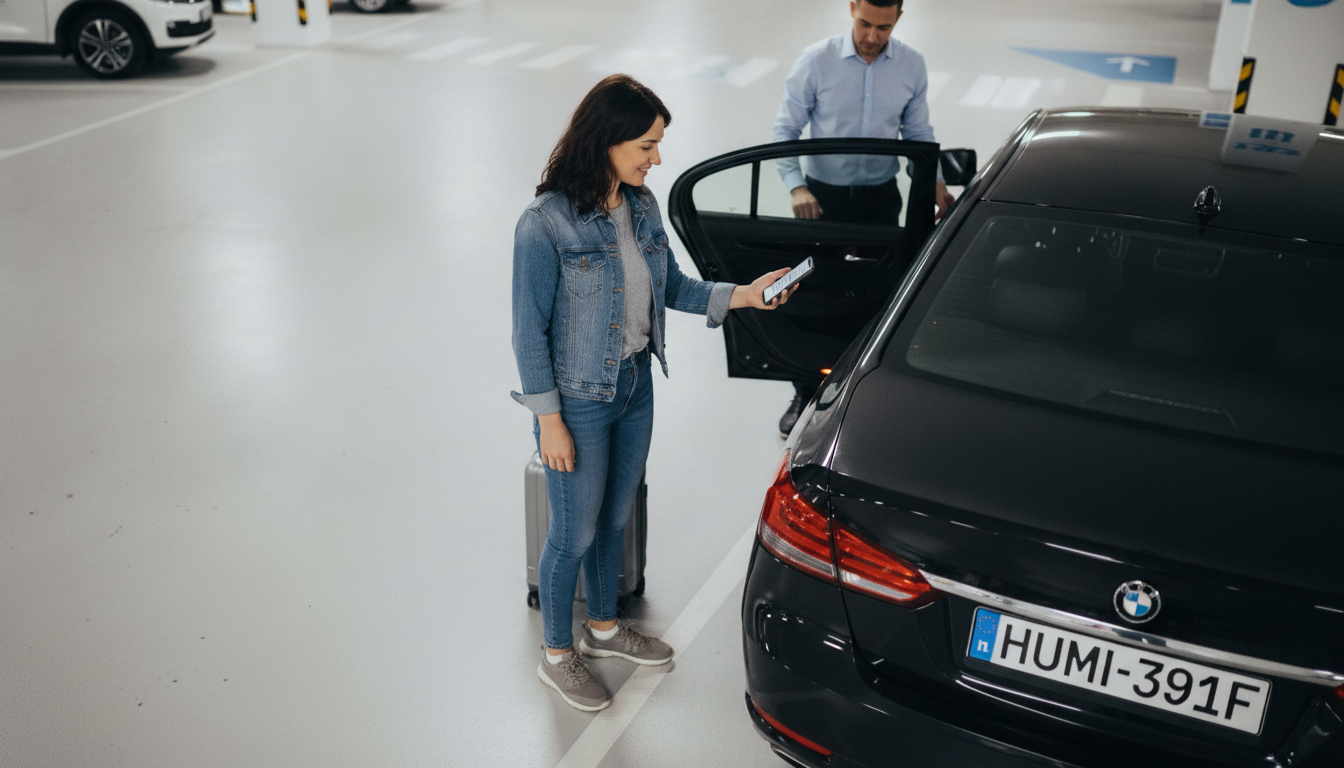
Before you open the door, take 20 seconds to confirm the vehicle, driver, and trip details match what you requested. Most ride-share and taxi scams succeed because travelers feel rushed or distracted—especially at airports, nightlife areas, and hotels.
Match the app details to the real car
For ride-shares, compare the license plate, car make/model, and color shown in the app to the vehicle in front of you. Don’t rely on a driver calling your name; ask, “Who are you picking up?” and wait for them to say your name first. Then confirm the driver’s name and photo in the app before getting in.
Verify the trip is the trip you ordered
Check that the app shows the driver has arrived and that the pickup location matches where you are standing. If the driver asks you to cancel and pay off-app (cash, card tap, QR code, or “meter instead”), decline and request another ride. Off-app payment removes the platform’s identity checks, trip logs, and support trail.
Use official taxi lines and credentials
For taxis, start at a marked taxi stand when possible (airport queue, hotel dispatch, or an official cab line). Look for a posted license number/medallion, company branding, and a visible driver ID. If there’s no meter where meters are required, the cab lacks ID, or the driver won’t provide a receipt, walk away.
Do a quick safety check before the door closes
Share your trip status with a trusted contact, keep your phone charged, and sit in the back seat when traveling alone. Confirm the route in your map app and speak up early if the driver deviates without explanation. If anything feels off—wrong plate, mismatched driver, pressure to change payment—cancel and move to a well-lit area.
For more tactics on staying secure while traveling—especially around scams, account protection, and digital safety—visit this travel digital safety and scam awareness guide.
FAQ
What should you do if a driver asks you to cancel and pay in cash?
Don’t cancel or pay off-app; decline and request a new ride through the platform. If you feel pressured, move to a populated, well-lit spot and report the driver in the app.











Leave a comment