Calm Your Mind: Guided Audio Meditations for Anxiety
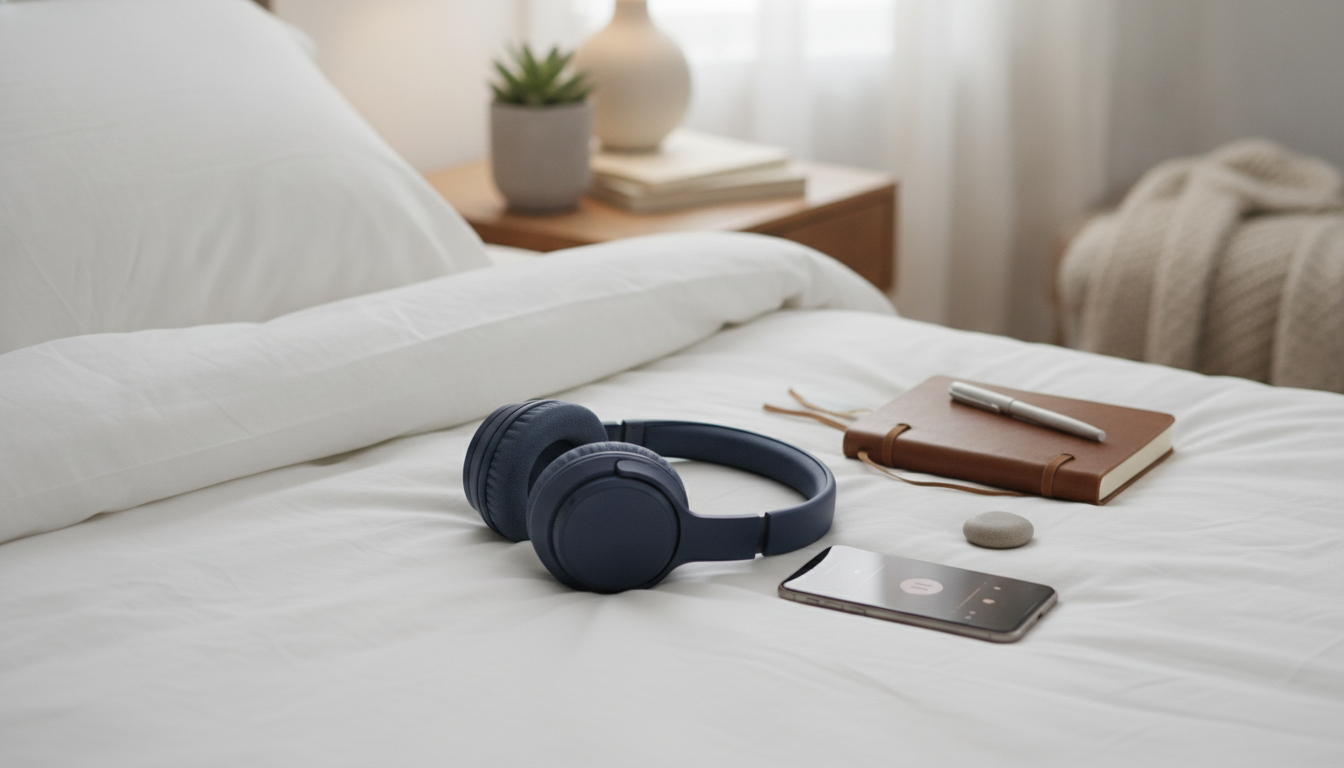
Calm Your Mind: Guided Meditation Series for Anxiety Relief (Audio Course)
Calm Your Mind is a guided audio meditation course designed to help quiet racing thoughts, ease anxious tension, and build a steadier sense of calm through short, repeatable sessions. It fits easily into a morning routine, a work break, or a bedtime wind-down—especially on days when stress feels louder than usual. Instead of asking you to “empty your mind,” the sessions gently train one practical skill: noticing what’s happening and returning to a simple anchor.
What this guided series helps with
- Downshifting the body’s stress response by pairing simple cues (breath, body awareness, imagery) with a soothing pace.
- Reducing mental noise by interrupting worry loops and returning attention to a single anchor.
- Building emotional steadiness over time through repetition, familiarity, and a predictable structure.
- Supporting sleep readiness by easing muscle tension and slowing internal mental chatter before bed.
- Creating a portable reset you can use at home, during commutes (not while driving), or between meetings.
Mindfulness and meditation are widely studied as supportive tools for stress and well-being. For a research-grounded overview, see the National Center for Complementary and Integrative Health (NCCIH). For how stress shows up physically, the American Psychological Association offers a helpful summary.
Who it’s best for
- Beginners who want clear guidance rather than silent meditation.
- People managing situational stress (workload spikes, life transitions, caregiving pressure).
- Anyone who struggles to “turn off” thoughts at night or after a stressful day.
- Meditators returning after a break who want an easy, low-friction restart.
- Those who prefer audio-led practice over reading or app-based tracking.
How to use the audio sessions for the strongest results
- Pick one consistent time window (morning clarity, midday reset, or bedtime unwind) and keep it simple for the first week.
- Use headphones when possible to reduce distractions and help attention settle faster.
- Set a gentle intention before you press play (e.g., “soften the shoulders” or “one breath at a time”) instead of aiming to “empty the mind.”
- If anxiety spikes mid-session, return to a physical anchor: feet on the floor, hands on the lap, or the sensation of the exhale.
- Track progress by function, not by quietness: falling asleep faster, fewer spirals, easier recovery after stress.
If you’re prone to over-effort, treat the practice like turning down a dimmer switch—not flipping a switch off. Consistency beats intensity, and a calm baseline is built by repetition, not perfect sessions.
Simple 7-day routine (mix-and-match)
- Day 1–2: keep sessions short and focus on consistency rather than intensity.
- Day 3–4: add a second session if needed (a quick reset during the day plus a wind-down at night).
- Day 5–7: repeat the sessions that felt most grounding; repetition trains familiarity and makes calm easier to access.
- After day 7: keep a “default” session for stressful days and a separate “sleep” session for nights when the mind won’t slow down.
Sample week using guided meditation for calmer days
| Day | Best time | Focus | Practical cue |
|---|---|---|---|
| 1 | Morning | Settle the body | Exhale longer than inhale |
| 2 | Bedtime | Release tension | Scan jaw, shoulders, belly |
| 3 | Midday | Interrupt worry | Name 3 things you can feel |
| 4 | Bedtime | Quiet mental chatter | Return to one anchor phrase |
| 5 | Morning | Steady focus | Gentle posture check every minute |
| 6 | Midday | Reset after stress | Hands on chest, slow exhale |
| 7 | Bedtime | Prepare for sleep | Dim lights + slow breathing |
What to expect during practice (and what’s normal)
- Wandering thoughts are part of the process; returning attention is the skill being trained.
- Emotional waves can surface when the nervous system slows down—pause if needed and resume when steady.
- Some days will feel “busy” internally; success is finishing gently, not forcing calm.
- If dizziness occurs, ease the breath and keep it natural; avoid over-breathing.
- For persistent or severe anxiety symptoms, guided meditation can be a helpful support but not a replacement for professional care.
For a quick research snapshot on mindfulness meditation, the National Institutes of Health (NIH) provides an accessible overview of what studies suggest and why consistency matters.
Ways to personalize the experience
Get the guided meditation audio course
If you want an easy, repeatable way to practice calm—without complicated setup—start with Calm Your Mind: Guided Meditation Series | Audio Course | Anxiety Relief Meditation. It’s built for everyday use: quick enough for busy schedules, steady enough to become a reliable reset when stress spikes.
- Homework Help Made Easy Toolkit for Parents – Printable Guide for Creating Study Habits, Homework Strategies & Independent Learning (helpful for reducing household friction during busy weeks).
- Top 10 Must-See U.S. National Parks + Fast Facts | Digital Travel Guide eBook for Nature Lovers, Hikers & Adventure Planners (a refreshing way to plan restorative time outdoors).
FAQ
How often should guided meditation be used for anxiety relief?
Daily is ideal, but 4–5 days per week is a strong, realistic cadence. Start with shorter sessions to build consistency, and add a brief extra reset session on high-stress days.
Is it normal to feel more emotional during meditation?
Yes—slowing down can make emotions more noticeable, especially if your body has been running on stress. If it feels intense, switch to a shorter session, keep your eyes open, and use a grounding body anchor; seek professional support if distress is persistent or overwhelming.
Can guided meditation help with sleep when the mind won’t stop racing?
A bedtime session can help by easing muscle tension and giving your attention a gentle focus (like a longer exhale). Many people notice gradual improvement over time, especially when paired with sleep-friendly habits like dim lights and a consistent wind-down window.











Leave a comment