Confident Kids Bundle: Emotional Skills for Ages 3–5
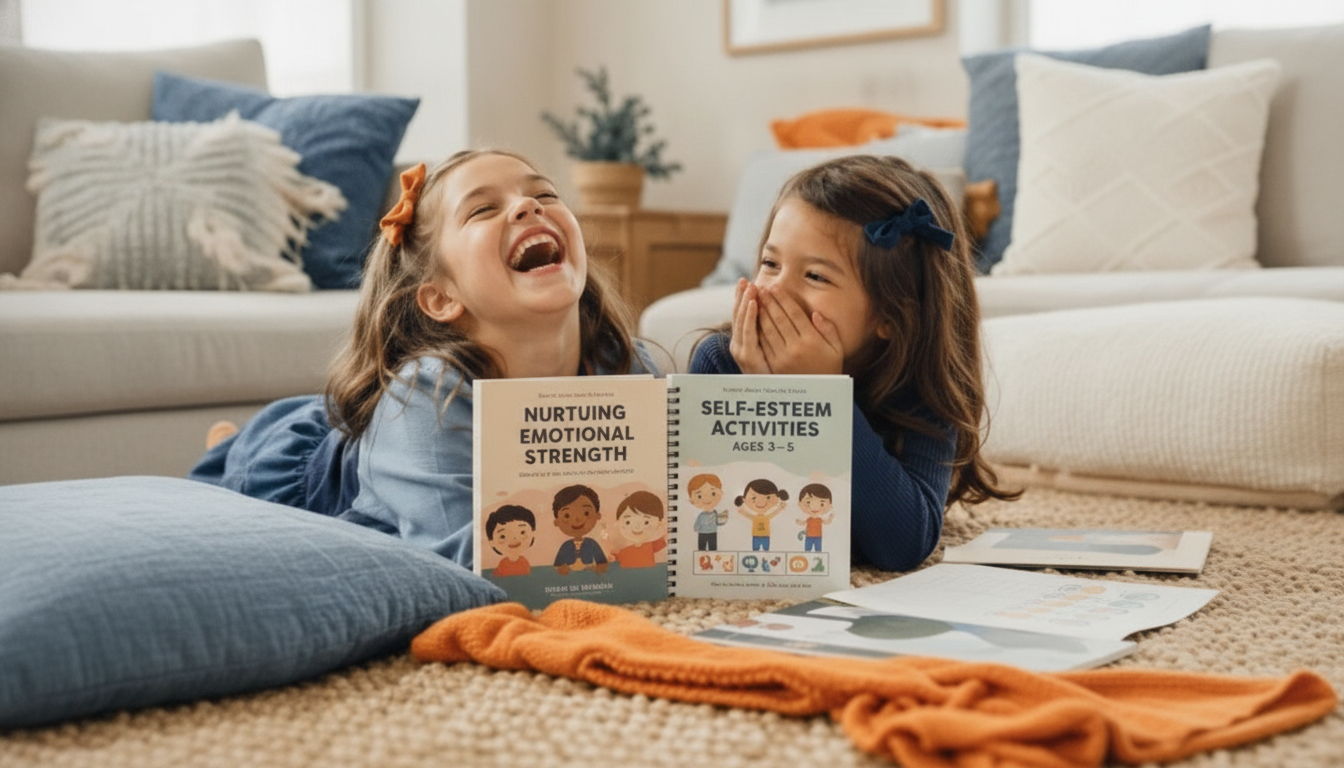
Confident Kids Bundle: Simple Tools to Build Emotional Strength (Ages 3–5)
Confidence and emotional strength grow through small, repeatable moments—naming feelings, practicing calm-down skills, and celebrating effort. The Confident Kids Bundle: Nurturing Emotional Strength is a practical 3-in-1 set designed for ages 3–5, combining a parent-friendly guide, hands-on self-esteem activities, and an emotional intelligence checklist so progress is easier to notice and keep going.
Preschoolers are learning how to handle frustration, transitions, and “big feelings” in real time—often in the middle of getting out the door or sharing a toy. With simple routines and consistent language, kids can build skills that support emotional security now and set a strong foundation for later social and learning settings. For additional guidance on age-appropriate social-emotional development, you can also reference American Academy of Pediatrics (HealthyChildren.org) and the CDC Essentials for Parenting.
What the Confident Kids Bundle Includes
- A parenting guide focused on everyday language, routines, and responses that strengthen emotional security.
- Self-esteem activities designed for ages 3–5 with short, playful practice that fits busy days.
- An emotional intelligence checklist that helps track skills like identifying feelings, coping, empathy, and problem-solving.
- A cohesive set: the guide explains the “why,” the activities provide the “how,” and the checklist shows “what’s improving.”
This combination matters because preschool skills are built through repetition. When the same approach shows up in your words, your routines, and your “what we’re practicing this week” plan, kids get clearer signals—and fewer surprises.
Who It Helps Most
- Parents and caregivers who want a clear starting point for supporting feelings, frustration tolerance, and confidence.
- Children ages 3–5 who struggle with transitions, big reactions, or low persistence when tasks feel hard.
- Families who want screen-light activities that can be repeated without special supplies.
- Caregivers seeking consistent wording across home and childcare settings (helpful for predictable emotional routines).
Core Skills the Bundle Reinforces
- Emotion naming: expanding feelings vocabulary beyond “mad/sad/happy.”
- Self-regulation: practicing calm-down strategies before a meltdown peaks.
- Self-esteem through effort: praising persistence, strategies, and trying again rather than “being smart.”
- Empathy basics: noticing others’ feelings and practicing gentle responses.
- Problem-solving: offering limited choices, next-step thinking, and repair after conflicts.
Skills Map: What to Practice and What It Can Look Like at Ages 3–5
| Skill | Everyday practice | Signs it’s working |
|---|---|---|
| Naming feelings | Use a simple feelings chart; label your own feelings aloud | Child uses more specific words (frustrated, worried) |
| Calming body | Balloon breaths; “smell the flower, blow the candle” | Shorter recovery time after upset |
| Confidence through effort | Praise steps: “You kept trying” + “What helped?” | Child attempts tasks longer before asking for rescue |
| Empathy | Ask: “How do you think they feel?” after stories or play | More checking-in or offering comfort |
| Repair & coping | Practice “I’m sorry / Are you okay? / Can I help?” scripts | Fewer lingering conflicts; quicker reconnection |
A Simple Weekly Routine Using the 3 Parts
- Day 1–2: Pick one small focus from the parenting guide (example: validating feelings without giving in).
- Day 3–5: Use one self-esteem activity per day (5–10 minutes) and repeat favorites to build mastery.
- Day 6: Use the emotional intelligence checklist to note wins and one next-step to practice next week.
- Day 7: Create a “confidence recap” moment—name one effort your child made and one coping tool they used.
- Keep it predictable: the same time of day often works best (after snack, before bath, or after daycare).
Consistency beats intensity at this age. A few minutes of calm practice—when your child is already regulated—makes it easier to access those skills when frustration spikes.
Using Confidence Language That Builds Emotional Safety
- Swap quick reassurance (“You’re fine”) for acknowledgment (“That was scary. You’re safe.”).
- Offer two acceptable choices to reduce power struggles while preserving autonomy.
- Describe what you see (“Your hands are tight; your face looks upset”) to build body awareness.
- Separate child from behavior: “Hitting hurts. Hands are for helping.”
- Repair after calm returns: what happened, what to do next time, then reconnect with warmth.
One helpful goal is to keep your phrases short and repeatable. Preschoolers learn best when the language stays steady—especially during transitions like leaving the park or turning off the TV.
Making the Checklist Work Without Pressure
Pairing With Other At-Home Parent Tools
- If you have school-aged siblings, a simple homework system can lower after-school tension and protect the younger child’s emotional environment. Consider the Homework Help Made Easy Toolkit for Parents to streamline routines.
- Short daily practice beats occasional long sessions—especially for ages 3–5 attention spans.
What to Expect After a Few Weeks
If you’d like a ready-to-use set that keeps the “why,” “how,” and “what’s changing” in one place, the Confident Kids Bundle: Nurturing Emotional Strength is designed to make those everyday practice moments simpler to start—and easier to repeat.
FAQ
What age is the Confident Kids Bundle best for?
It’s designed for ages 3–5. You can adapt by using shorter activity rounds for younger kids, slightly richer feeling words for older preschoolers, and leaning on repetition so skills stick.
How long should the activities take each day?
Aim for 5–10 minutes a day, with frequent repeats of favorite activities. Calm-down skills work best when practiced during calm moments, not only during meltdowns.
Does the checklist diagnose emotional or behavioral issues?
No—it’s a tracking and support tool to help you notice patterns and growth. If concerns feel persistent or intense, it’s a good idea to consult your pediatrician or a child development specialist.












Leave a comment