Homework Help Toolkit: Printables for Study Habits

Homework Help Made Easy Toolkit for Parents: A Printable Plan for Study Habits and Independent Learning
Homework doesn’t have to turn into nightly negotiations. With a simple, repeatable routine and a few kid-friendly tools, parents can reduce stress, improve follow-through, and help children build the skills to work more independently. This guide lays out a practical home setup, step-by-step homework flow, and printable supports that make expectations clear and progress easy to track.
Why homework gets hard at home
Most homework struggles aren’t about ability—they’re about friction. When evenings are rushed, directions feel fuzzy, or supplies are missing, even small assignments can snowball into conflict.
- Unclear expectations: kids aren’t sure what “done” looks like (or how to check their work).
- Executive-function overload: planning, starting, sustaining focus, and switching tasks are skills—many children need structure to learn them.
- Environment friction: distractions, missing supplies, and inconsistent timing create avoidable resistance.
- Parent-child role strain: when parents become the “manager,” homework can turn into conflict instead of coaching.
- Lack of routines: without a predictable sequence, each night feels like starting from scratch.
Practical support works best when it’s consistent and visible. The goal is a system that does the reminding—so you don’t have to.
Set up a homework system that runs on routine (not reminders)
Start with a small “default” setup that stays the same all week. Consistency lowers resistance because kids don’t have to renegotiate the basics every day.
- Pick a consistent start time tied to an existing cue (snack, after playtime, after dinner).
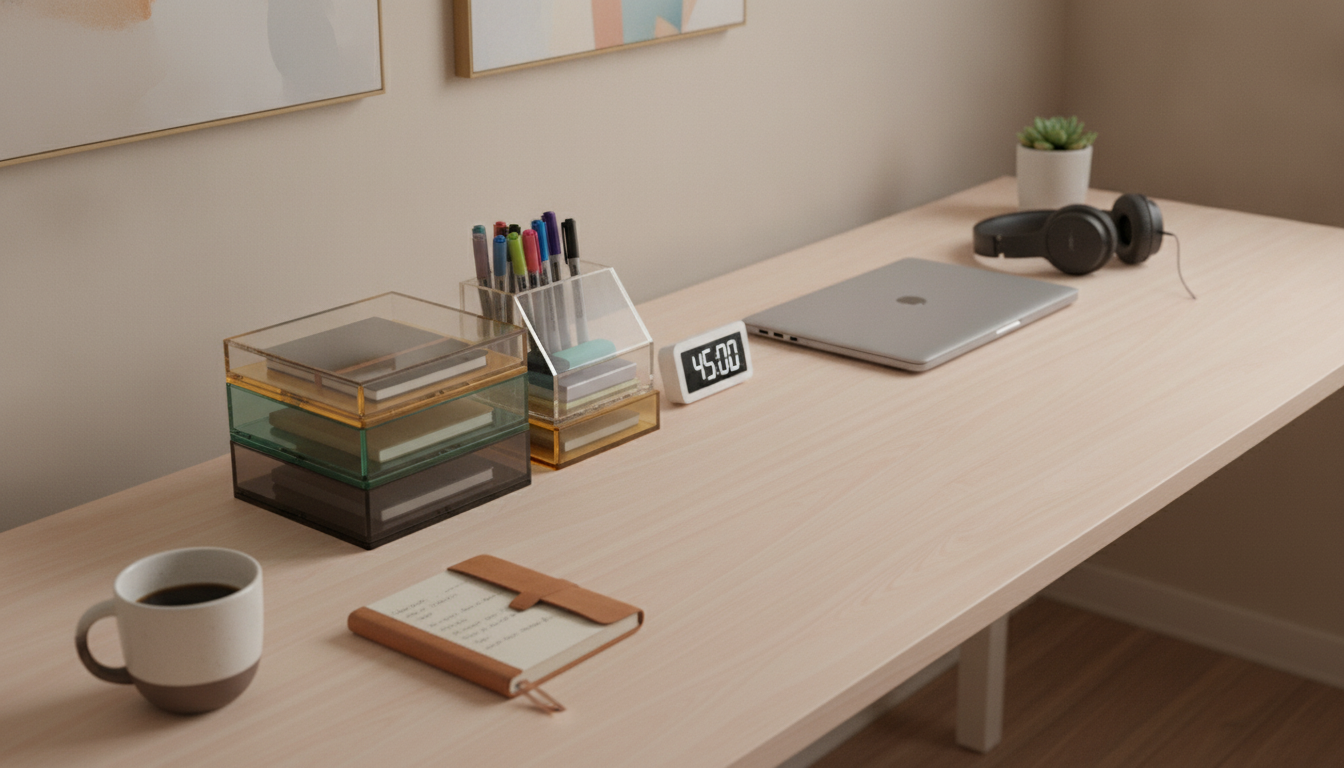
- Create a small homework zone with a bin: pencils, eraser, ruler, paper, charger, calculator (if needed).
- Use a visible “Today’s Plan” space: a small whiteboard or a printed daily checklist.
- Keep instructions in one place: a folder labeled “To Do / Turn In” reduces lost work.
- Decide on a default help rule: the child attempts first, then asks specific questions, then parent steps in briefly.
Homework Zone Quick Setup Checklist
| Area | What to include | Why it helps |
|---|---|---|
| Workspace | Clear table/desk, comfortable chair, good lighting | Reduces visual distractions and fatigue |
| Supply bin | Writing tools, paper, ruler, headphones, timer | Prevents repeated “I can’t find…” interruptions |
| Paper flow | To Do / Turn In folder, assignment sheet | Keeps priorities visible and reduces missing work |
| Focus supports | Timer, fidget (if helpful), water | Supports attention and reduces getting up |
| Reference spot | Multiplication chart, spelling rules, login info | Encourages self-checking before asking for help |
A 20–40 minute homework routine that builds independence
A shorter, repeatable routine often produces better results than a long session full of reminders. Use the same steps every day so your child can “run the script” with less help over time.
- Step 1: Preview (2–3 minutes). Child lists assignments and circles the easiest one to start.
- Step 2: Plan (2 minutes). Estimate time for each task and choose a stopping point (timer or page number).
- Step 3: Do (10–15 minutes). Work in a focused sprint; parent stays nearby but not hovering.
- Step 4: Check (3–5 minutes). Use a simple self-check checklist: answered all parts, neatness, reread directions, show work.
- Step 5: Break (2–5 minutes). Short movement break; avoid screens if they derail return to work.
- Step 6: Repeat. Continue until complete or until the agreed time limit is reached, then communicate with teacher if needed.
For evidence-based guidance on building study habits and keeping homework productive, see the American Psychological Association’s homework and study habits tips.
Homework strategies that reduce battles (and increase follow-through)
When frustration rises, the fastest way back to calm is structure. Clear steps keep the parent in a coaching role and keep ownership with the child.
When homework stress spills into tears or tension, it may help to treat the evening like a “stress-management” moment as much as an academic one. The CDC’s guidance on helping children cope with stress offers practical, calming approaches that fit well alongside a routine.
Printable supports that keep the routine consistent
For families who prefer research-backed approaches, the ERIC database is a helpful place to explore studies on homework routines, motivation, and self-regulated learning.
Using the toolkit: a simple 7-day rollout plan
When to adjust the plan
A ready-to-print option for busy families
- Homework Help Made Easy Toolkit for Parents – Printable Guide for Creating Study Habits, Homework Strategies & Independent Learning (digital, printable)
- Travel Security & Scam Awareness Guide | Digital Safety Handbook for Tourists, Solo Travelers & Business Trips (useful for families planning independent teen trips)
- Top 10 Must-See U.S. National Parks + Fast Facts | Digital Travel Guide eBook for Nature Lovers, Hikers & Adventure Planners (a fun way to practice reading and note-taking skills on a real-world topic)
FAQ
How can a parent help with homework without doing it for the child?
Use a help ladder: have your child attempt first, then offer hints or point to notes/examples before you explain. Ask process questions (“What do the directions say?”) and end with a quick self-check so your child stays the owner of the work.
What’s a good homework routine for kids who procrastinate?
Tie homework to a reliable cue (snack, after playtime), start with the easiest task to build momentum, and use 10–15 minute focus sprints with short breaks. Tracking start times for a week helps turn “we’ll do it later” into a predictable habit.
How long should homework take each night?
It depends on grade level and school expectations, but it should usually fit within a reasonable family routine. If it routinely runs long, document minutes spent and where your child got stuck, then share that information with the teacher to discuss workload or support.











Leave a comment