Pet Travel Packing Checklist + Printable Planner (Dogs & Cats)
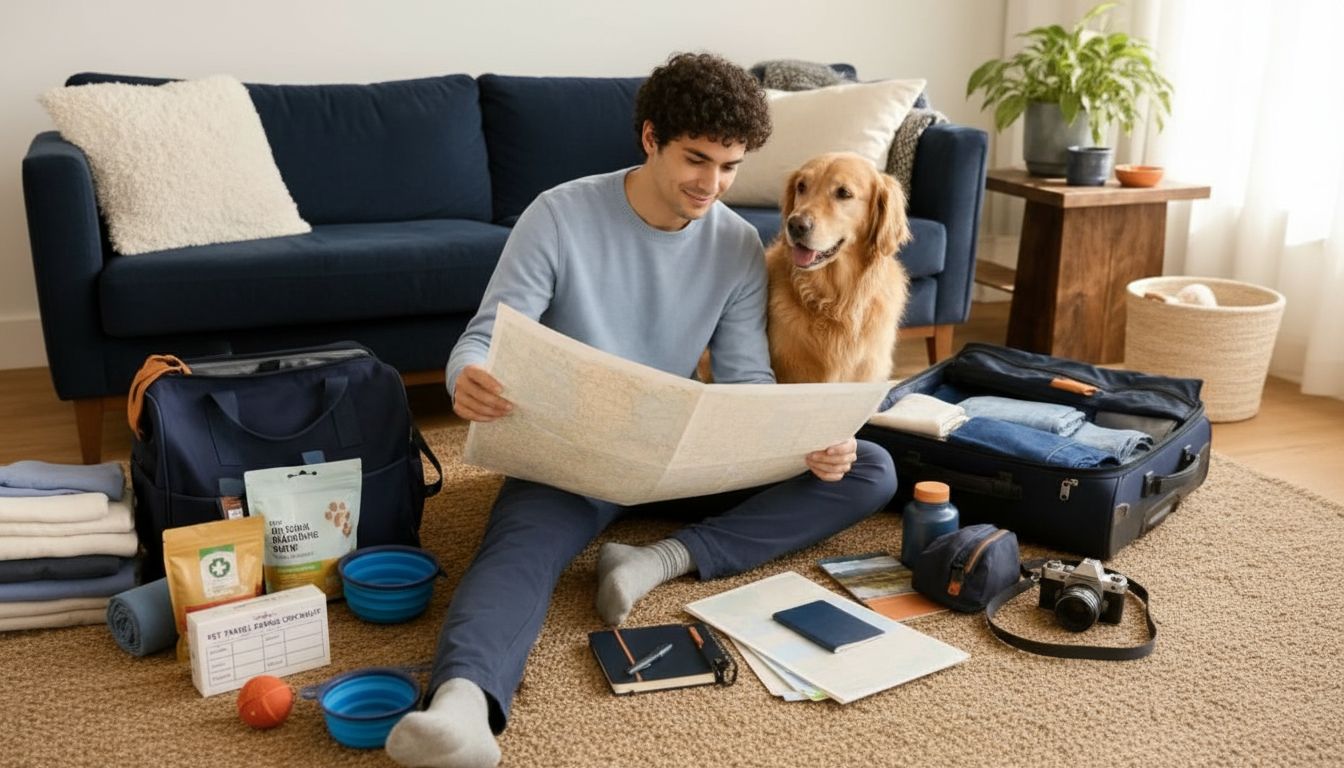
Pet Travel Essentials Checklist for Safe Trips (Printable Planner for Dogs & Cats)
Safe pet travel comes down to preparation: the right documents, secure restraint, familiar comfort items, and a plan for food, water, breaks, and emergencies. Whether you’re planning a weekend road trip or a longer vacation, the goal is the same—reduce surprises and keep your dog or cat protected from door-dashing, heat risk, tummy trouble, and preventable stress. Below is a practical packing checklist you can follow every time, plus a simple printable planner option to keep everything organized before departure day.
Before You Pack: quick safety checks that prevent common travel problems
- Confirm the destination is pet-friendly: check lodging rules, size limits, breed restrictions, pet fees, and any required deposits.
- Schedule a vet check if travel is long, your pet has medical conditions, or vaccinations/medications may need updating.
- Verify ID: a collar tag with your current phone number plus a microchip with up-to-date registry info.
- Practice the travel setup at home: short car rides with the carrier/crate or harness to reduce stress on departure day.
- Plan the route: pet-friendly stops, shaded potty areas, and backup options if weather changes.
If you’re crossing state lines or traveling internationally, confirm current requirements early—guidance can vary by destination and travel method. Helpful references include the AVMA’s traveling with your pet tips and the USDA APHIS pet travel resources.
Travel documents and information to keep in one place
- Vaccination records and rabies certificate (often required for boarding, grooming, and some lodging).
- Health certificate or proof of recent wellness exam if required by the destination or travel method.
- Medication list: name, dose, schedule, prescribing vet, and refill info.
- Emergency contacts: primary vet, closest 24/7 emergency vet near the destination, and a trusted local contact.
- Recent photos of your pet (full body and close-up) in case of separation.
Grab-and-go document pack
| Item | Where to store it | Tip |
|---|---|---|
| Rabies certificate + vaccine records | Zip pouch in glove box or travel bag | Snap a photo and keep a digital copy offline |
| Microchip number + registry | Phone notes + printed card | Confirm the phone/email on file before leaving |
| Medication schedule | Printed sheet in the same pouch | Set phone alarms for dosing times |
| Emergency vet addresses | Map pins + printed list | Choose one 24/7 clinic near lodging |
| Recent pet photos | Phone album + printed copy | Include a photo showing collar/harness |
Car safety essentials: restraint, comfort, and heat protection
- Use a crash-tested carrier/crate or a seat-belt tether with a well-fitted harness; avoid attaching tethers to collars.
- Secure carriers so they don’t shift during turns or sudden stops; keep cats in a carrier for the entire ride.
- Pack sunshades, a cooling towel (as appropriate), and ensure airflow reaches your pet’s area.
- Never leave a pet unattended in a parked vehicle; heat rises quickly even with cracked windows.
- Bring a seat cover/liner and cleaning wipes to manage fur, mud, and accidents.
For travel-day safety reminders and entry requirements if you’re heading across borders, review the CDC guidance on traveling with pets.
Food, water, and feeding routine (the simplest way to reduce tummy issues)
- Pack enough of your pet’s regular food for the whole trip plus 2–3 extra days for delays.
- Bring bottled or familiar-tasting water if your pet is picky; sudden water changes can cause stomach upset.
- Use a collapsible bowl and a spill-resistant travel bowl for the car.
- Stick to the normal feeding schedule; avoid big meals right before long driving segments.
- Treats: bring a small variety but keep portions consistent to avoid digestive surprises.
Health kit: what to pack for minor issues and when to call a vet
- Prescription medications in original bottles, plus a few extra doses.
- Basic pet first-aid supplies: gauze, self-adhering wrap, antiseptic wipes (pet-safe), tweezers, and a digital thermometer.
- Flea/tick prevention and a tick remover tool if traveling to high-risk areas.
- Motion-sickness or anxiety medications only if prescribed; do a trial dose at home when advised by a veterinarian.
- Know the red flags that require urgent help: repeated vomiting, trouble breathing, collapse, pale gums, seizures, or suspected heatstroke.
A quick rule: if you’re not sure whether a symptom is “wait and see,” call a veterinary clinic for guidance. Avoid giving human medications unless a veterinarian specifically directs you to do so.
Daily-care essentials for dogs
Daily-care essentials for cats
Lodging setup: make the room safe in 10 minutes
Printable trip planner: a simple way to pack once and travel calmer
Recommended printable tools (in stock)
- Printable Pet Travel Essentials Checklist and Trip Planner (digital download)
- Helping Pets Handle Vacuum Stress (helpful for noise-sensitive pets before and after travel days)
FAQ
How often should dogs and cats take breaks on a road trip?
Aim for a break about every 2–3 hours for most healthy adult pets, with more frequent stops for puppies, seniors, and pets with medical needs. Keep dogs leashed before opening doors, offer small amounts of water, and keep cats contained in their carrier during stops.
What’s the safest way for a pet to ride in a car?
The safest option is secure restraint: a crash-tested carrier/crate or a seat-belt tether connected to a well-fitted harness. Avoid letting pets ride loose, and never attach a tether to a collar; cats should remain in a secured carrier for the entire ride.
What should be in a pet travel emergency kit?
Bring prescription meds, vet contacts, basic first-aid supplies, a tick tool (if relevant), wipes, spare food and water, and recent photos plus ID details. Contact a vet urgently for serious symptoms like trouble breathing, collapse, repeated vomiting, seizures, or suspected heatstroke, and don’t give human medications unless directed.











Leave a comment