Solo Travel Safety Checklist: Plan, Pack, Protect
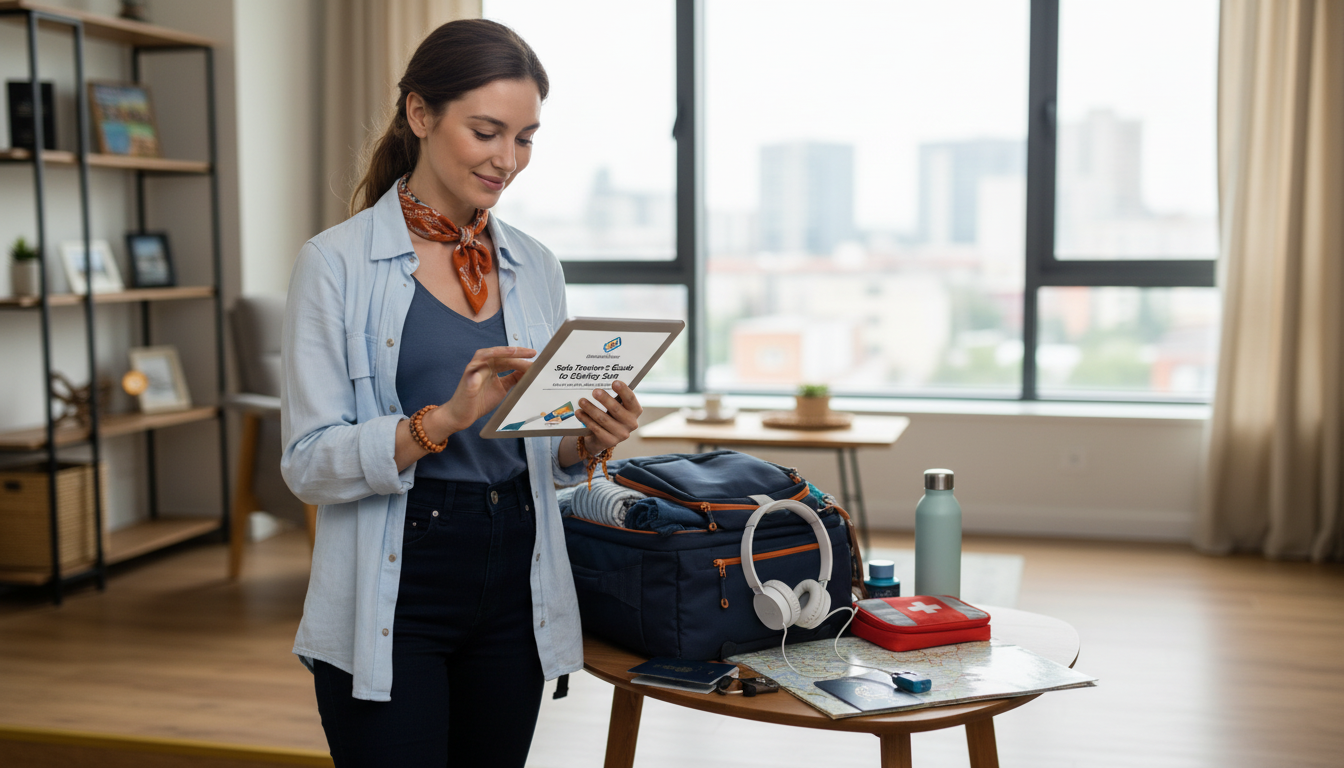
Solo Traveler’s Guide to Staying Safe: Practical Steps Before, During, and After Every Trip
Solo travel can feel liberating and empowering, but it also means handling planning, situational awareness, and backups on your own. The goal isn’t to eliminate risk—it’s to reduce exposure, spot problems early, and build simple routines that keep you calm and in control from departure to return.
Start With a Personal Safety Baseline
Before you book anything, set your “safe enough” line for this specific trip. Safety isn’t one-size-fits-all; it changes depending on your experience, energy level, and the destination’s rhythm.
- Define what “safe enough” means: Are you okay landing at 11 p.m.? Comfortable with long bus rides? Interested in remote hikes, or only guided excursions?
- Map likely risks by context: Big cities tend to mean pickpocketing and phone theft; beach towns can bring late-night party risks; rural areas can mean limited transport and fewer services.
- Set non-negotiables: Share your itinerary with someone you trust, keep emergency funds separate, and never post your lodging details publicly in real time.
- Use a simple decision rule: “If it feels off twice, exit once.” You don’t owe anyone an explanation for leaving.
Pre-Trip Security Planning That Actually Helps
The most useful safety planning is practical and repeatable. Aim for a short list of actions that meaningfully reduces worst-case scenarios.
- Research patterns, not scary one-offs: Check official advisories and recent traveler reports to identify common scams, areas to avoid after dark, and transit issues. For official updates, use the U.S. Department of State travel resources.
- Choose lodging with strong basics: Look for secure entry, verified reviews that mention safety, and a location where you can reliably get rides or public transit.
- Plan key arrivals in daylight when possible: If a late arrival is unavoidable, pre-book a reputable transfer and confirm pickup details (name, plate, meeting spot).
- Prepare documents the “two-channel” way: Keep print copies plus secure offline digital copies (not only in your email). Include passport/ID, insurance, and emergency contacts.
- Build a lost-phone plan: Memorize one important number, store recovery codes offline, and know how to remotely lock/wipe devices.
Health planning matters too. Check vaccine and medication guidance via CDC Travelers’ Health (and destination-specific requirements) so you aren’t solving problems mid-trip.
Pack for Safety Without Overpacking
Your goal is to look like a regular traveler, not a walking “security project.” Discreet systems beat bulky gear.
- Use a simple anti-theft setup: A crossbody bag with secure closures, a small carabiner/zip-tie strategy for zippers, and a money split (daily wallet + hidden reserve).
- Add basic lodging reassurance: A door wedge or portable alarm can help you sleep better where permitted.
- Bring essential health items: Prescriptions in original packaging, a small first-aid kit, and destination-appropriate meds.
- Avoid tactical-looking items: Choose everyday, low-profile gear that doesn’t invite attention or questions.
Quick Solo Travel Safety Checklist (Print-Friendly)
| Category | Do Before Leaving | Do During the Trip |
|---|---|---|
| Documents & money | Copy passport/ID, split cash/cards, set card travel alerts | Keep one backup card separate; monitor transactions |
| Phone & accounts | Enable device lock, save recovery codes, add emergency contacts | Use trusted Wi‑Fi or hotspot; update check-ins with a contact |
| Transport | Pre-book first/late transfers; save offline maps | Confirm driver/plate; sit where exits are accessible |
| Lodging | Choose secure entry and good location; confirm check-in rules | Use extra door security; avoid sharing room number publicly |
| Health | Verify vaccines/meds; pack essentials; buy insurance | Hydrate, rest, and seek care early if symptoms escalate |
Smart Habits for Streets, Transit, and Crowds
Most solo travel safety comes down to small behaviors done consistently—especially when you’re tired, distracted, or navigating a new place.
- Keep navigation subtle: Step into a café or shop to check maps instead of stopping on a busy corner with your phone out.
- Use the confidence loop: Posture up, move with purpose, and avoid rummaging through cash or bags in public.
- On transit, keep valuables on-body: Choose well-lit areas, don’t sleep deeply, and avoid placing essentials overhead.
- Set boundaries early: Practice one neutral exit line (e.g., “I’m meeting someone—have a good night”) and keep walking.
- Limit distractions: One earbud max, phone away when walking, and pause before entering isolated areas.
Digital Safety on the Road
Digital security is physical security—especially when your phone is your map, wallet, boarding pass, and emergency lifeline.
Nightlife, Dating, and Social Plans—Safer by Design
If Something Goes Wrong: A Simple Response Framework
A Ready-to-Use Safety Guide and Checklist for Solo Trips
- Solo Traveler’s Guide to Staying Safe | Guide | Digital Download PDF eBook | Solo Travel Safety Tips & Checklist | Travel Security Planning (digital download) is designed for quick prep, offline access, and repeat use across destinations.
- If your solo trip includes U.S. outdoor routes, planning ahead for parks, distances, and basic logistics helps you avoid late arrivals and rushed decisions: Top 10 Must-See U.S. National Parks + Fast Facts | Digital Travel Guide eBook for Nature Lovers, Hikers & Adventure Planners.
FAQ
What are the most important solo travel safety habits to start with?
Plan arrivals (especially the first night), split and secure valuables, and keep situational awareness high in transit and crowds. Make sure you also have a lost-phone plan and a clear emergency contact routine.
How can solo travelers stay safe at night without skipping nightlife entirely?
Start with public meetups, control your transportation home, and avoid over-intoxication so you can leave quickly if needed. Keep drink safety strict and use a simple check-in routine with someone you trust.
What should be in a solo travel safety checklist?
Include document and money backups, device security steps, accommodation and transport rules, health/insurance essentials, and a basic response plan for theft, harassment, or medical issues.








Leave a comment