Eco-Friendly Travel Example: Zero-Waste Weekend Trip
What is an example of eco-friendly travel?
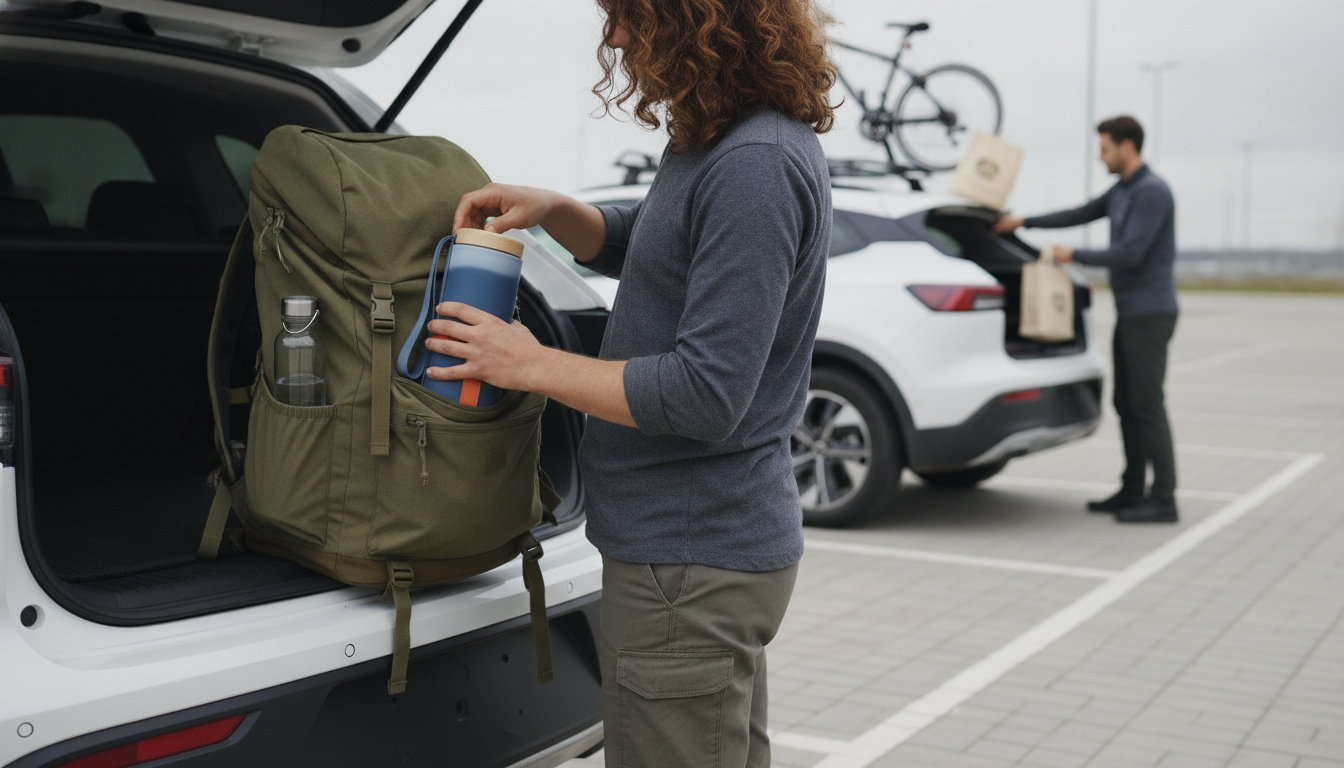
An easy example of eco-friendly travel is taking a short train trip with a zero-waste packing setup: bring a refillable water bottle and mug, pack snacks in reusable containers, carry a small tote for groceries or souvenirs, and use solid toiletries (like bar soap and shampoo bars) to avoid single-use plastic. Pair that with walking, biking, or public transit at your destination instead of renting a car, and you’ve reduced both waste and emissions without making the trip complicated.
A practical eco-friendly travel example: a weekend city getaway
Picture a two-night weekend in a nearby city. You book a train or bus rather than a short-haul flight, then pack light in a carry-on to avoid extra fuel use from heavy luggage. In your bag, you include a compact “reusables kit”: utensils, a cloth napkin, a small food container, and a reusable shopping bag. This setup helps you skip disposable forks, takeout boxes, and plastic bags when grabbing meals on the go.
Once you arrive, you choose a hotel or rental that makes it easy to reuse towels and offers recycling access. For getting around, you rely on walking and transit, and you plan activities that don’t generate lots of trash—like museums, parks, and local markets where you can buy unpackaged produce or bulk snacks using your own containers.
Why this counts as eco-friendly travel
This kind of trip works because it targets the two biggest levers travelers can control:
- Lower transportation impact: trains and buses generally have a smaller footprint than flying the same route.
- Less landfill waste: reusables and concentrated toiletries cut down on the “single-use” stream that piles up during travel days.
- Smarter consumption: buying what you’ll actually use and choosing experiences over packaged souvenirs reduces clutter and waste at home, too.
Make it even easier
If you want a simple checklist of what to pack (and what to skip) for greener trips, follow this guide: zero-waste travel packing checklist for greener trips.
FAQ
How can I reduce waste while traveling?
Carry a small set of reusables (bottle, utensils, bag, container) and choose solid or refillable toiletries. Say no to single-use items, and plan for refills by locating water stations, cafes, or grocery stores near your route.











Leave a comment