Pets Most Likely to Freak Out at the Vacuum
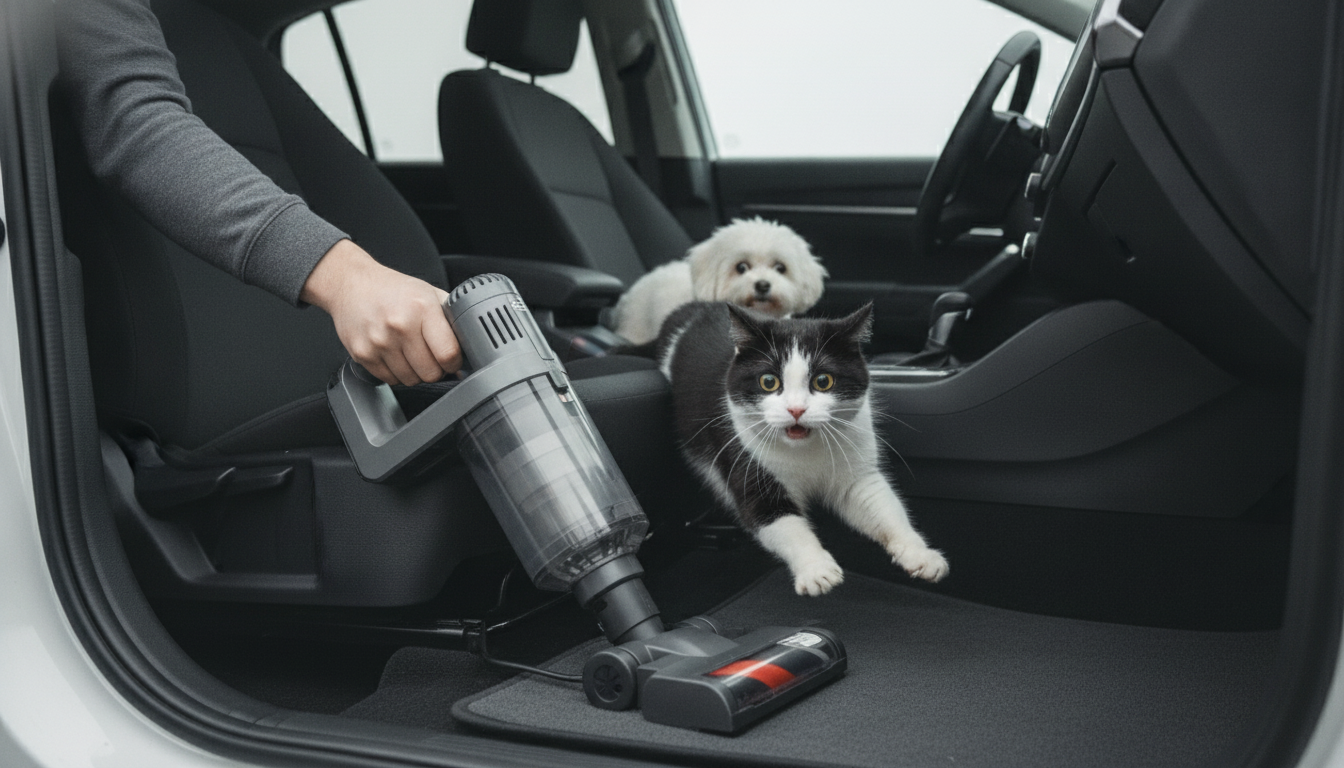
What kind of pets freak out with vacuums?
Pets that “freak out” with vacuums are usually the ones most sensitive to sudden noise, vibration, and fast-moving objects. While any animal can dislike a vacuum, certain pets tend to react more intensely—either by fleeing, hiding, trembling, barking, lunging, or even trying to attack the machine.
Dogs that are noise-sensitive or easily startled
Many dogs interpret a vacuum as a threatening intruder: it’s loud, unpredictable, and comes closer and closer. Dogs with strong startle responses, anxious temperaments, or limited early exposure to household sounds often react with panic or defensive behaviors. Herding breeds and high-alert watchdog types may be especially prone to chasing, barking, and nipping because movement triggers their instincts.
Puppies, newly adopted dogs, and under-socialized pets
Puppies and newly adopted dogs commonly struggle because the sound is unfamiliar and the routine is new. Pets that didn’t experience normal home noises during key developmental periods may be more likely to perceive the vacuum as danger rather than background activity.
Cats and small pets that prefer quiet, predictable spaces
Cats often bolt and hide when a vacuum turns on because it violates their preference for control and quiet. Skittish cats, timid rescues, and cats already stressed by changes in the home can become especially fearful. Small pets (like rabbits or guinea pigs) may also startle easily; even if they’re in an enclosure, the noise and vibration can be overwhelming, so it’s important to keep them in a separate, calmer room during cleaning.
Pets with heightened sensory sensitivity
Senior pets, animals recovering from illness, and pets with hearing issues can react strongly—sometimes because certain frequencies are uncomfortable, or because they can’t locate the sound and feel trapped. If a pet’s fear seems sudden, extreme, or escalates rapidly, a vet check can help rule out pain or sensory changes.
For step-by-step training to reduce vacuum fear (without forcing it), visit this guide on stopping vacuum fear in dogs and cats.
FAQ
How can I desensitize my pet to the vacuum?
Start with the vacuum off and reward calm behavior at a distance, then gradually reduce distance over multiple short sessions. Next, add sound at low intensity (or brief on/off bursts) while pairing it with treats and a safe retreat option.











Leave a comment